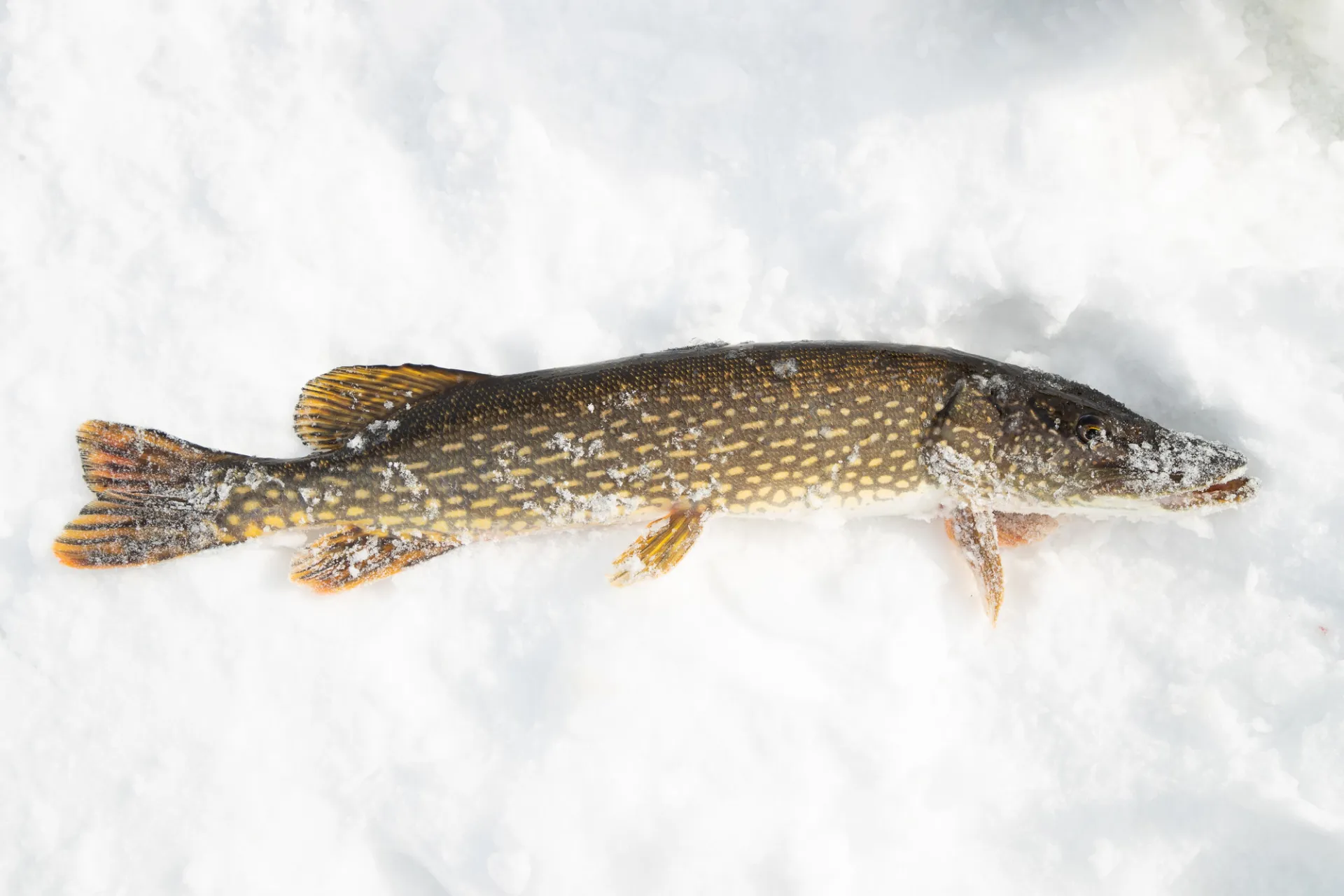
Hooked on Winter
Ice Fishing
Frozen water, fresh catches
Ice fishing on Lake Champlain
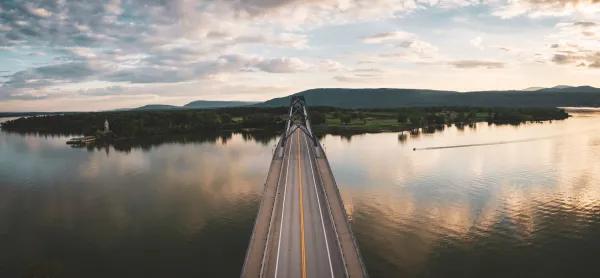
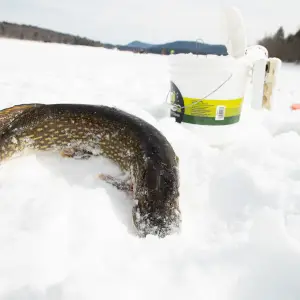
Lake Champlain is a year-round fisherman's paradise, but winter is when it really shines. Drop a line near Port Henry or the Champlain Bridge for salmon and lake trout, or head to sheltered spots like Bulwagga Bay for perch and bluegill. Whatever you're after, when the weather gets cold, the fishing gets hot.
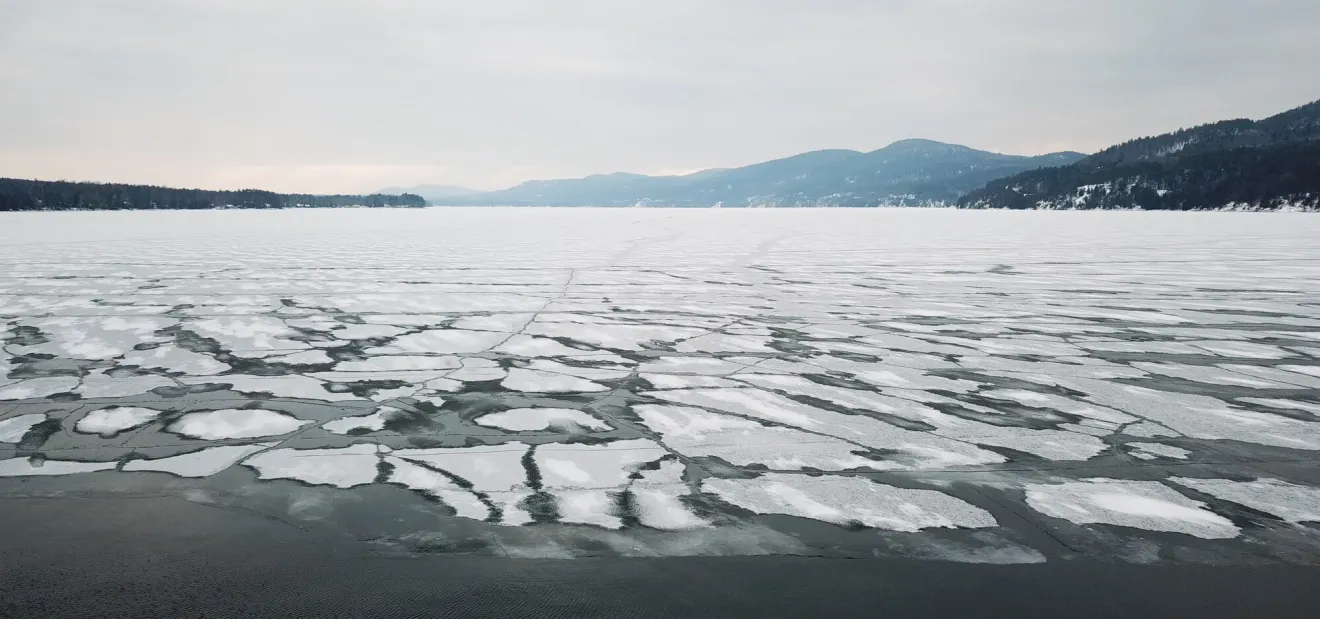
Ice is nice
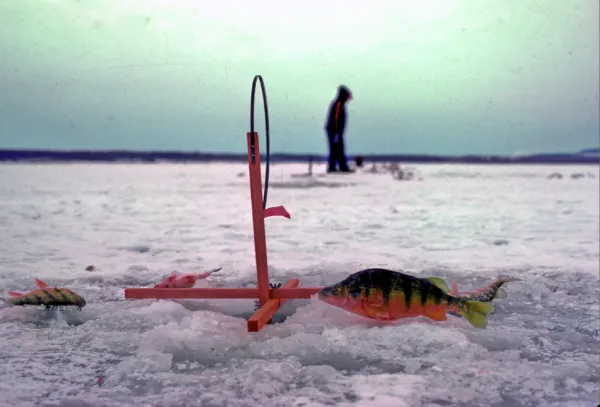
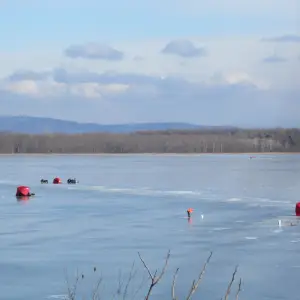
With the right winter conditions, our lakes and ponds turn into some of the best fishing spots around. Local bait and tackle shops are your best source for current ice conditions, what's biting, and where, plus the right bait and gear for your target catch. When conditions allow, local fishing guides also set up shelters, ice fishing shanties that spring up like little villages across the frozen surface.
Don’t forget to check out our warm weather fishing information for more details as the seasons change.

Leave No Trace and Love Your ADK
Legendary Ice Fishing
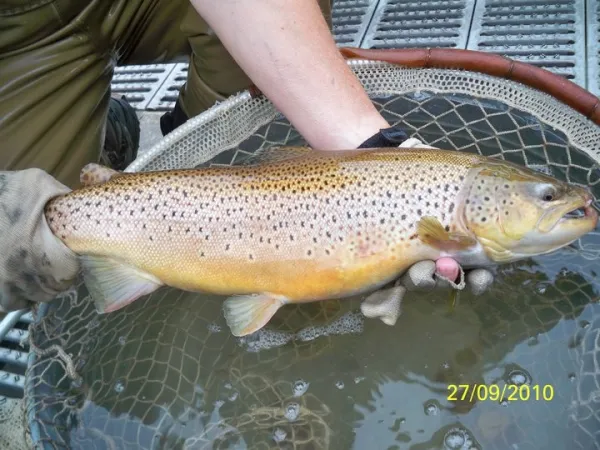
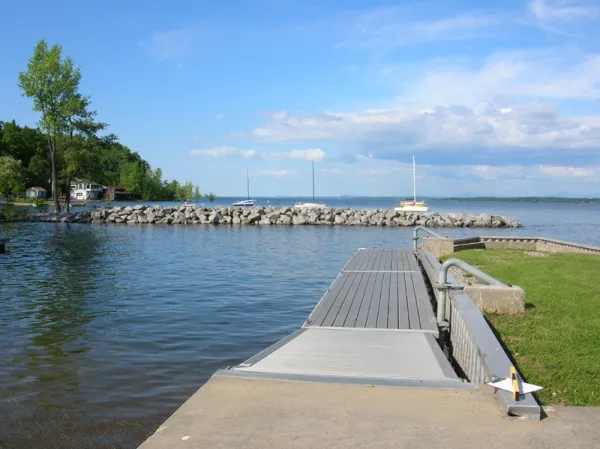
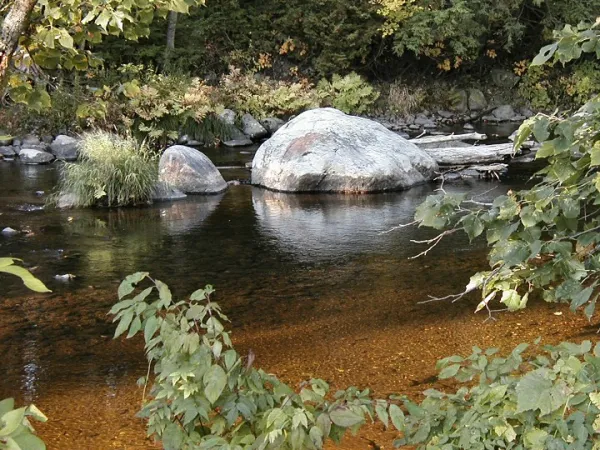
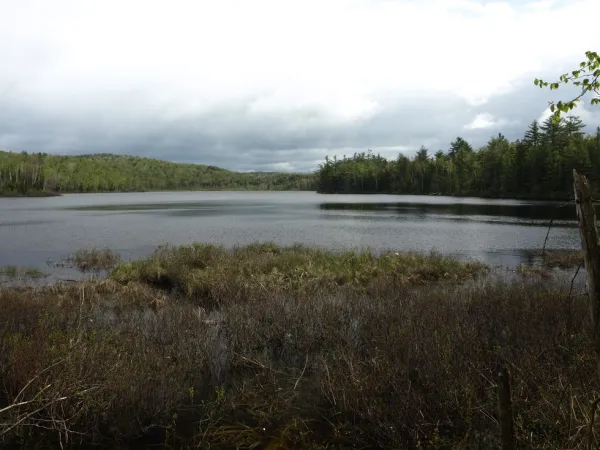
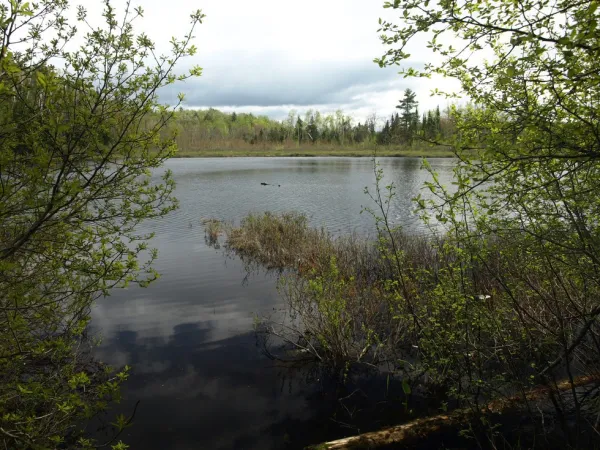
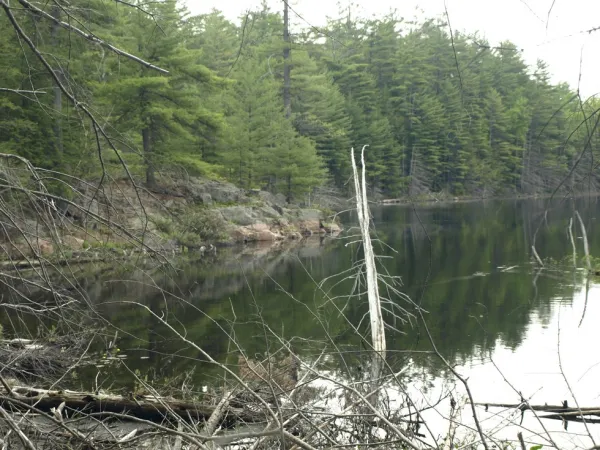
Browse all
Frequently Asked Questions
The basics are simple: an ice fishing rod and reel, bait or jigs, a way to check ice thickness, and warm, layered clothing. Local bait and tackle shops are a great first stop, they'll have the gear, the bait, and the latest word on ice conditions and what's biting.
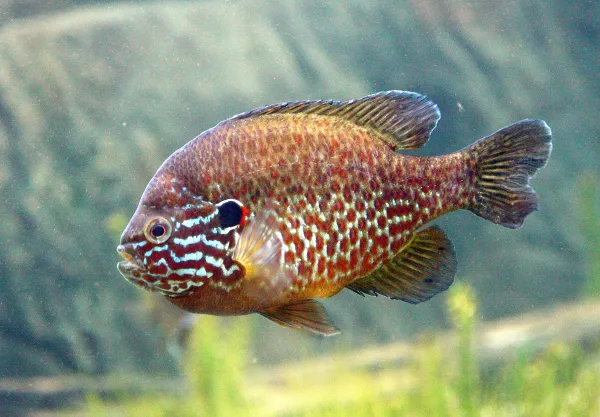
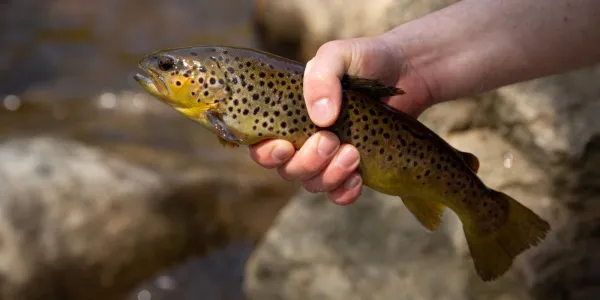
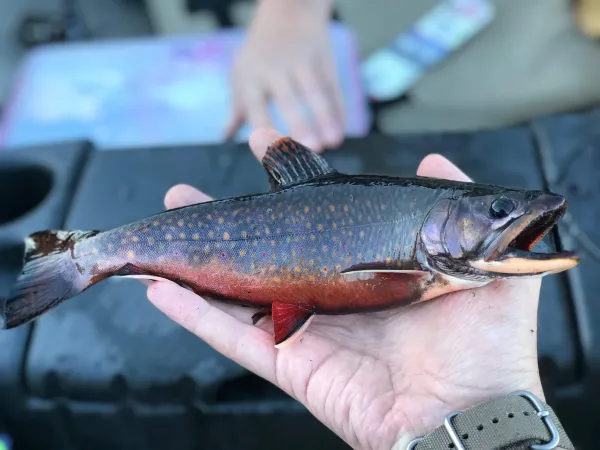
Lake Champlain is known for salmon and lake trout, especially near Port Henry and the Champlain Bridge, along with perch and bluegill in sheltered spots like Bulwagga Bay. If you head to the region's smaller ponds, you can also find yellow perch, panfish, bass, and even trophy Tiger Muskie at spots like Lincoln Pond.
Ice fishing season typically runs from around late December through March, depending on how cold the winter gets and how quickly the lakes and ponds freeze over. Always check current ice conditions before heading out, and note that shanties must be removed from the ice by a set date each spring as posted by local regulations.
Absolutely. The Lake Champlain Region is home to experienced guides who can put you on the fish, whether you're new to the ice or just looking for local know-how. Visit our guides page to find a professional who can show you the ropes.
Ice conditions can change quickly and vary from lake to lake, so always check locally before heading out. Local bait and tackle shops are one of the best resources, they track daily conditions and know which spots have safe, solid ice. Always follow the 4-inch rule: never step onto the ice without at least 4 inches of clear, solid ice, and never fish alone.
More Adventures
Lake Champlain Region

Champ's Local Tips
Skip the I-87 traffic — take the ferry between Charlotte, VT and Essex, NY. Twenty minutes, and the view beats the highway.