A Truly Hidden Gem
Champ, the Lake Champlain Monster
A Truly Hidden Gem
Champ, the Lake Champlain Monster
A Truly Hidden Gem
Champ, the Lake Champlain Monster
A Truly Hidden Gem
Champ, the Lake Champlain Monster
The mysterious history of Champ
Legend, myth, or something far more intriguing
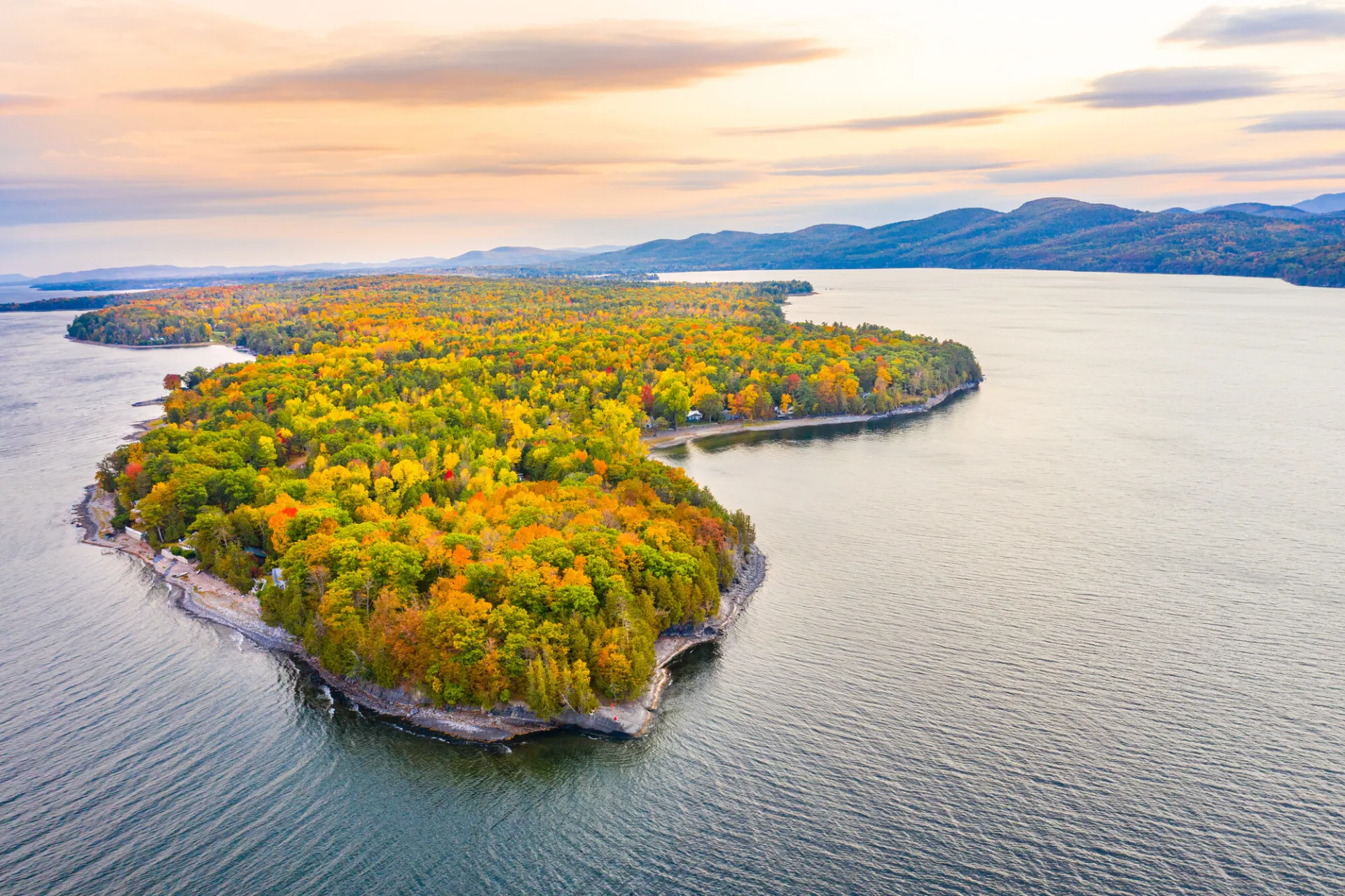
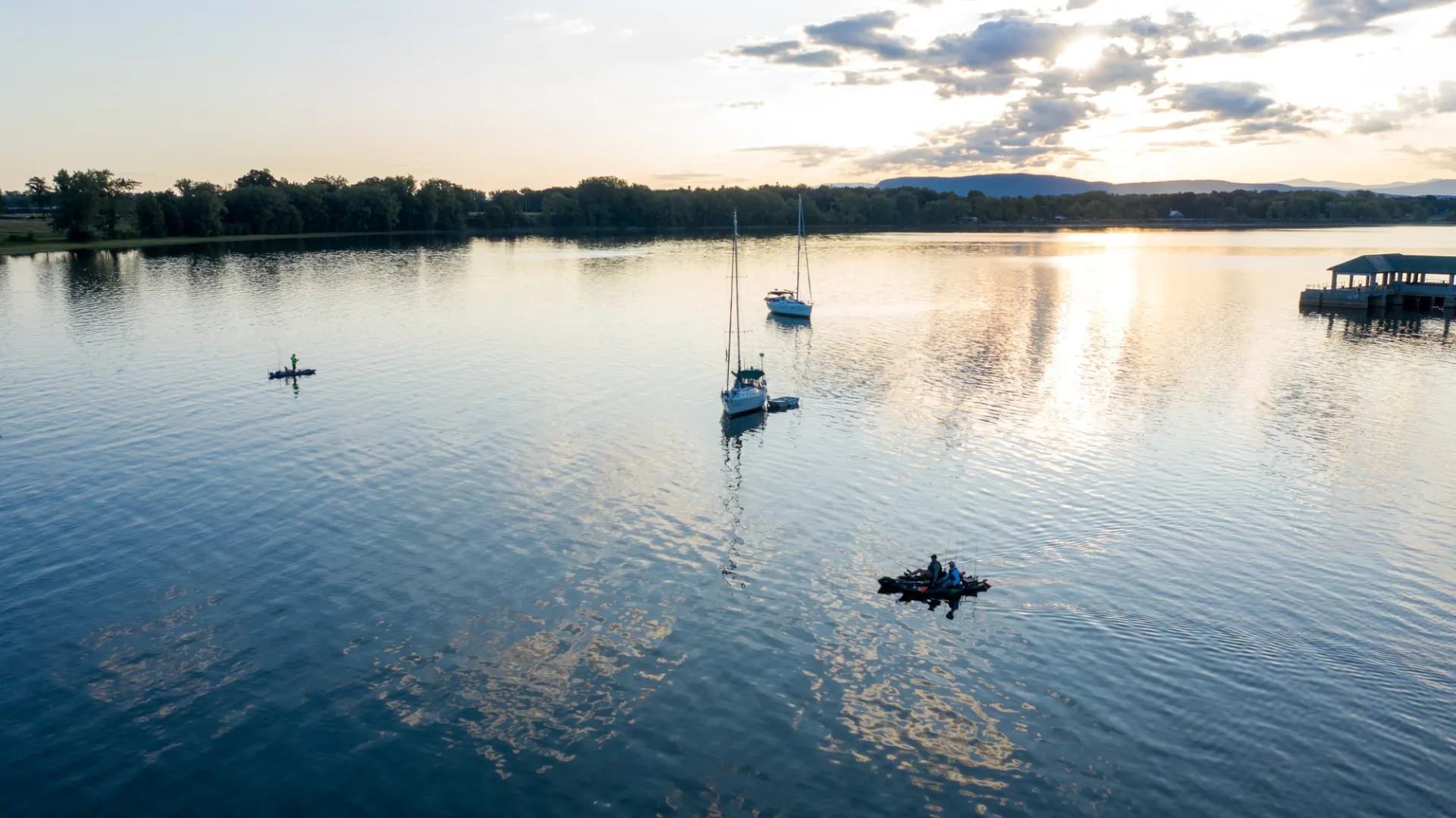
Lake Champlain is the Adirondacks' largest lake, providing the perfect playground for boating, fishing, water sports and lake monsters. That's right, lake monsters. For centuries, legends and alleged sightings of an enormous swimming monster have captured the imagination of locals, explorers, visitors, and even scholars.
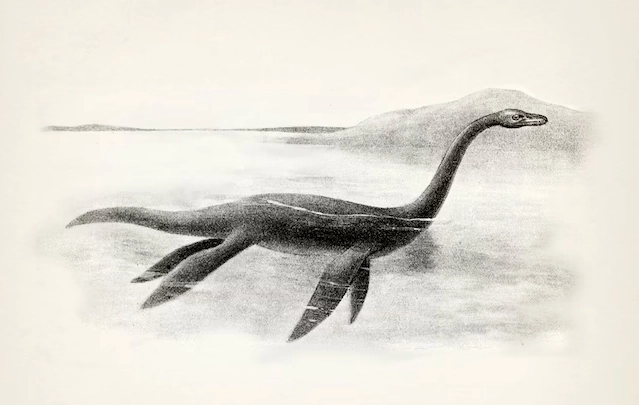
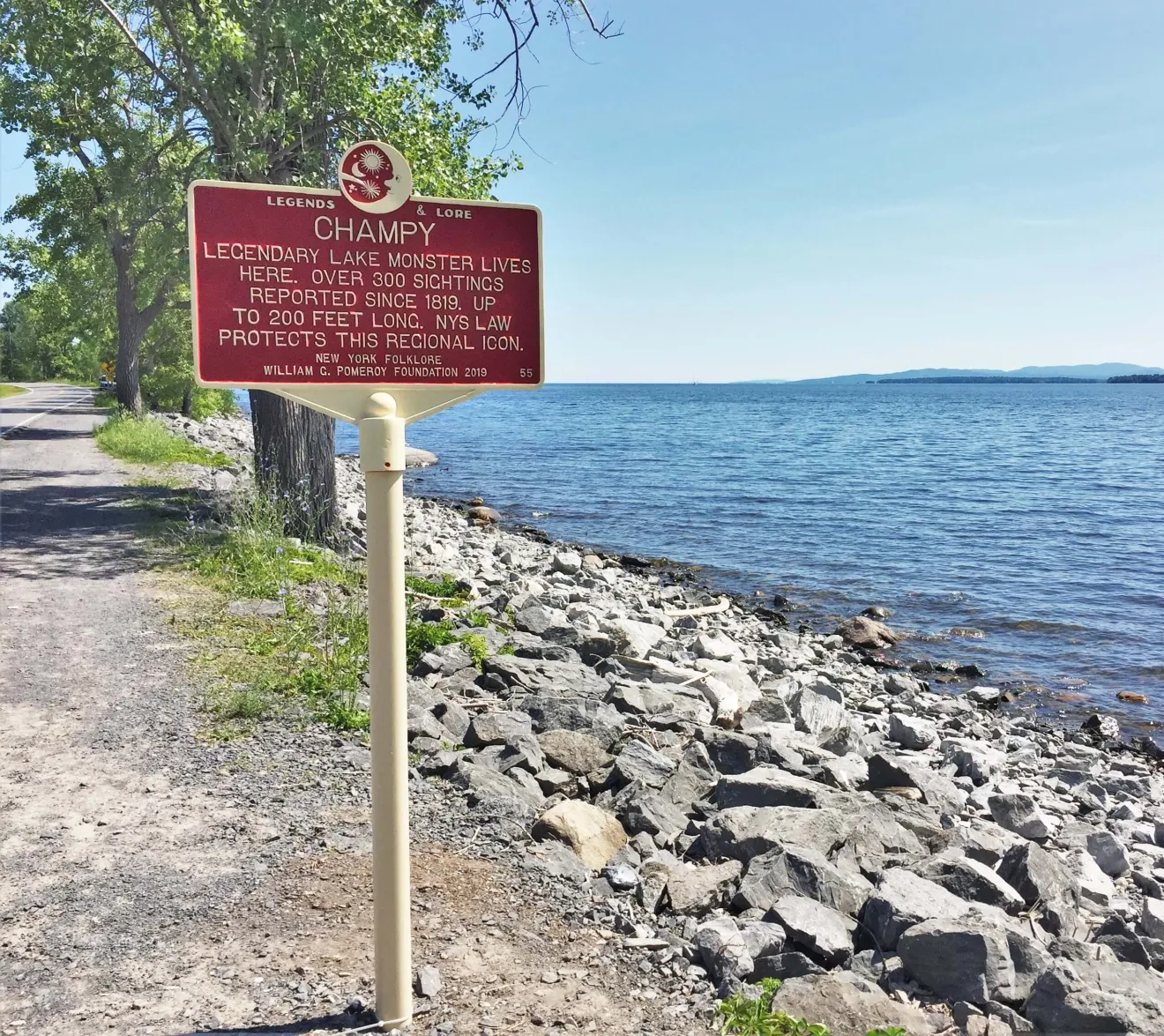
The Indigenous people that have long lived and hunted near and even on Lake Champlain, the Abenaki and the Haudenosaunee (Iroquois), have their own legends about a large creature inhabiting the lake, which looked like a large, horned serpent or giant snake. The Abenaki term for this creature is Gitaskog. Early in the 18th century, Abenakis warned French explorers about disturbing the waters of the lake, so as not to disturb the serpent. Samuel de Champlain, whom the lake is named after, is often erroneously credited with being the first European to sight Champ, but readings of his accounts show that he saw something near the St. Lawrence River. Nevertheless, his account of his sighting is of interest to anyone with an interest in lake monsters!
Historians think Champ is probably a garfish, a class that includes lake sturgeon, which still live in Lake Champlain today. Champlain's description of the creature sounds very much like a garfish, albeit much larger than usual.
The lake monster legend grows
The next famous account appears in the Plattsburgh Republican newspaper on Saturday, July 24, 1819. Captain Crum was aboard a scow on Bulwagga Bay the previous Thursday morning when he reported a black monster, about 187 feet long and with a head resembling a sea horse, that reared more than 15 feet out of the water. He claimed the monster he saw had three teeth, eyes the color of a "a pealed [sic] onion," a white star on its forehead and "a belt of red around the neck." This is a remarkable level of detail concerning an object that was, according to the witness, some 200 yards away.
1873 was a busy year for Champ. A New York Times story reported that a railroad crew had seen the head of an "enormous serpent" in Lake Champlain, with bright silvery scales that glistened in the sun. Both the men and the monster parted ways at that point.
In July that same year, Clinton County Sheriff Nathan H. Mooney reported an "enormous snake or water serpent" he thought was 25 to 35 feet long. Then in August, the steamship W.B. Eddy encountered Champ by running into it. The ship nearly turned over, according to the tourists on board.
Never one to miss a trick, showman P. T. Barnum offered a reward of $50,000 in 1873 for "hide of the great Champlain serpent to add to my mammoth World's Fair Show."
Another group sighting came in 1945, when passengers of the S.S. Ticonderoga claimed to have seen a creature.
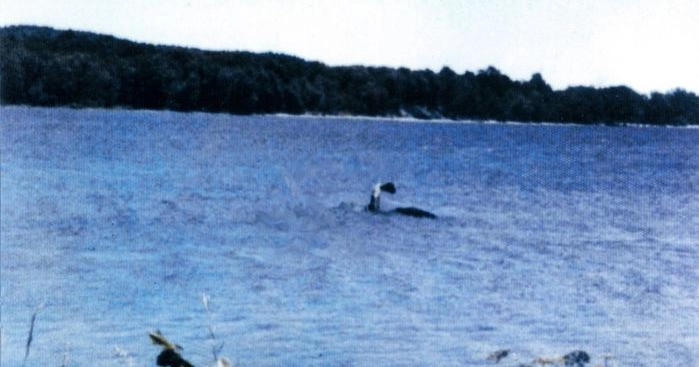
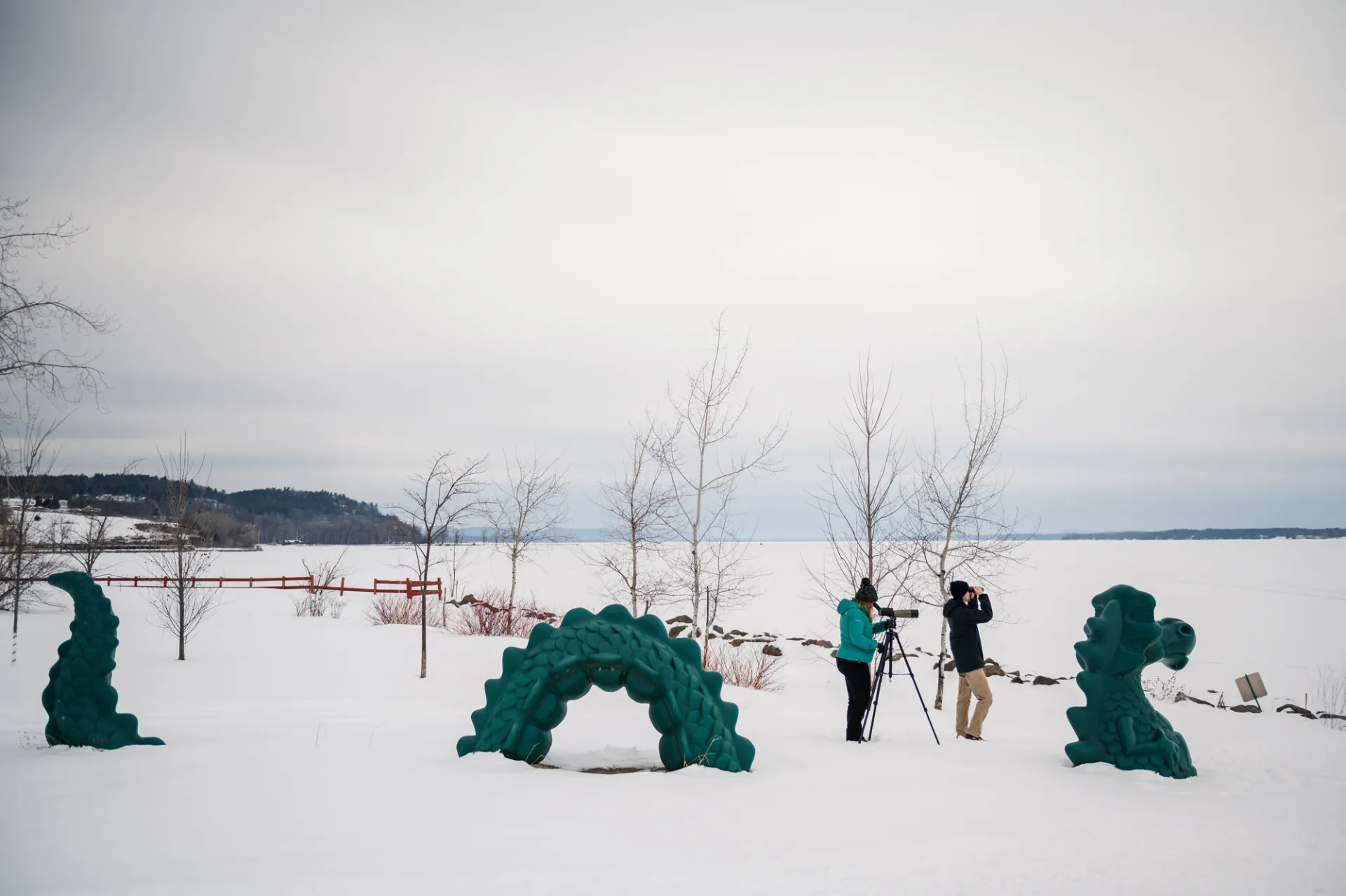
By 1992, sightings totaled 180, with approximately 600 people claiming to have seen Champ all over the lake. Eager children crossing the lake by ferry often look for the lake monster, hoping for a sighting. A few people even managed to snap photos of what they claimed to be Champ. Much like his mythical relative at Loch Ness, Champ sightings and photos are much debated and analyzed.
The 21st century saw a new wave of sightings, which numbered in the double digits each summer and prompted interest from Japanese television, the Today Show, NBC's Unsolved Mysteries and Fox Network's Sightings. In 2003, the Discovery Channel did a special on "America's Loch Ness Monster" in the wake of three new sightings by June of that year. Champ has been written about in Discover magazine and in scholarly journals.




Answers to Your Frequently Asked Champ Questions
Because he's shy, it's impossible to ever know where he'll be. Some days he might be swimming right under the Crown Point Bridge, or others he might be hanging out deep in the middle of the lake. But that's part of the fun: you never know when you might see him or where, so always keep your eyes on the lake, whether you're enjoying a boat ride, pierside fishing, or lakeside dining.
We don’t really know! Various theories have Champ identified as a garfish, sturgeon, or even a prehistoric plesiosaur, similar to the Loch Ness monster.
No one can say for sure. Modern sightings of this elusive creature started in Bulwagga Bay, Port Henry, in 1819. The bay is still an excellent place to launch a Champ search. If you are fortunate, you can place your name on the Big Board of Champ Sightings. The year 1873 was quite a year for Champ, with several sightings made by a railroad crew, steamship passengers, and a small boy fishing.
The lake was named after the 17th-century French explorer Samuel de Champlain and the lake monster was named after the lake in which it lives.
Champ-tastic stories

Lake Champlain Region

Champ's Local Tips
Skip the I-87 traffic — take the ferry between Charlotte, VT and Essex, NY. Twenty minutes, and the view beats the highway.