History along Lake Champlain
The battles and forts that shaped a region.
Long before it became a destination for paddlers and history buffs, Lake Champlain was a highway, and a contested one. Its waterways provided a vital route between the St. Lawrence Valley and the Hudson River Valley, making the lake one of the most strategically important travel corridors in the Northeast. Whoever controlled the water controlled the movement of people, goods, and armies. That reality shaped centuries of conflict here, from tensions between Native nations of the north and south to the imperial rivalry between France and Britain, and later the fight for American independence.
The wars are over, but their traces remain. You can walk through the ruins of French and British forts, stand where pivotal battles unfolded, and explore the places where the course of American history was shaped.
Three wars, one waterway
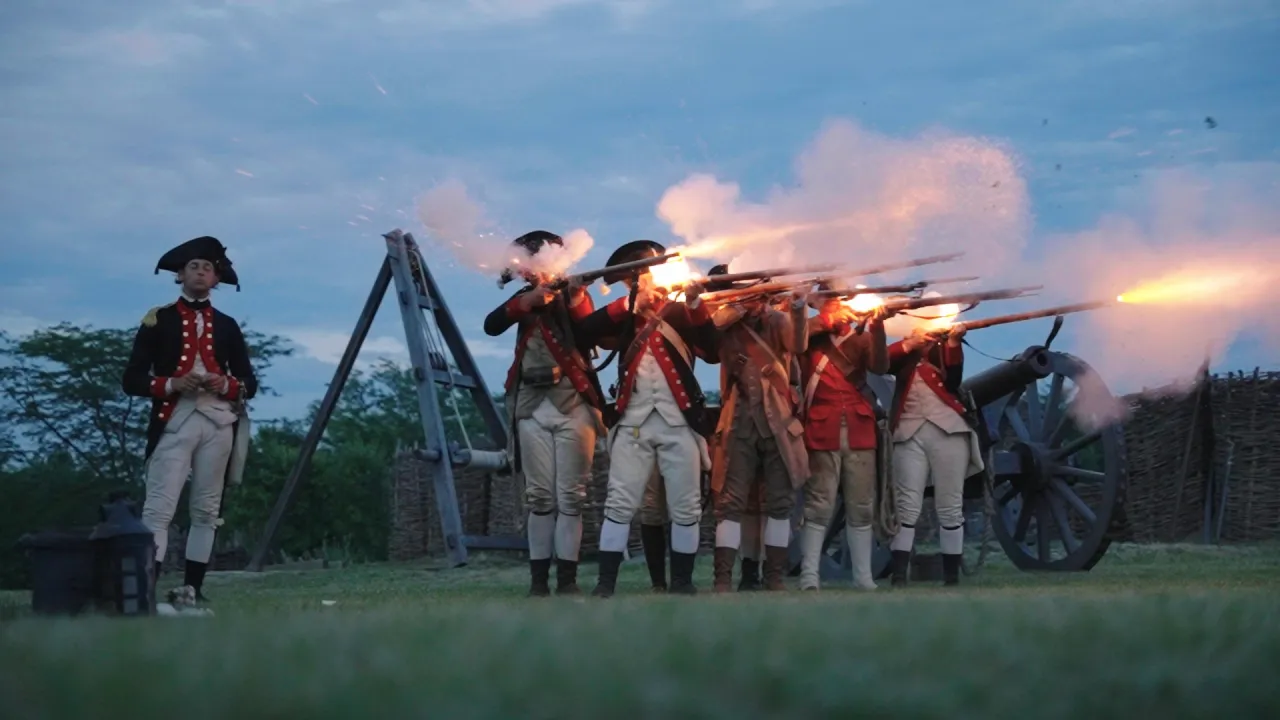
For more than 80 years, Lake Champlain repeatedly became a battleground in conflicts that shaped North American history. Its position between the St. Lawrence and Hudson River valleys made control of the waterway a strategic advantage, drawing armies and warships to its shores again and again.
The French and Indian War. In the mid-1700s, France and Britain fought for control of North America, with Native nations and colonists drawn into the conflict. The war is known as the Seven Years’ War in the broader global conflict and the War of the Conquest in Canadian history. Forts along Lake Champlain became important military positions as both empires fought for control of the region.
The Revolutionary War. Just two decades later, Lake Champlain was again at the center of a struggle for control. American forces captured Fort Ticonderoga in 1775, securing a key position along the waterway early in the war. In 1776, American and British fleets met at the Battle of Valcour Island. The American fleet, commanded by Benedict Arnold, suffered heavy losses, but the battle had a significant strategic impact. By slowing the British advance from Canada, the American resistance on the lake bought the Continental Army valuable time to prepare for the Saratoga campaign the following year.
The War of 1812. The pattern continued in 1812, when the United States and Britain again fought for control of strategic waterways and territory in North America. Lake Champlain became a major theater of the war, culminating in the American victory at the Battle of Plattsburgh in 1814.
The forts that tell the story
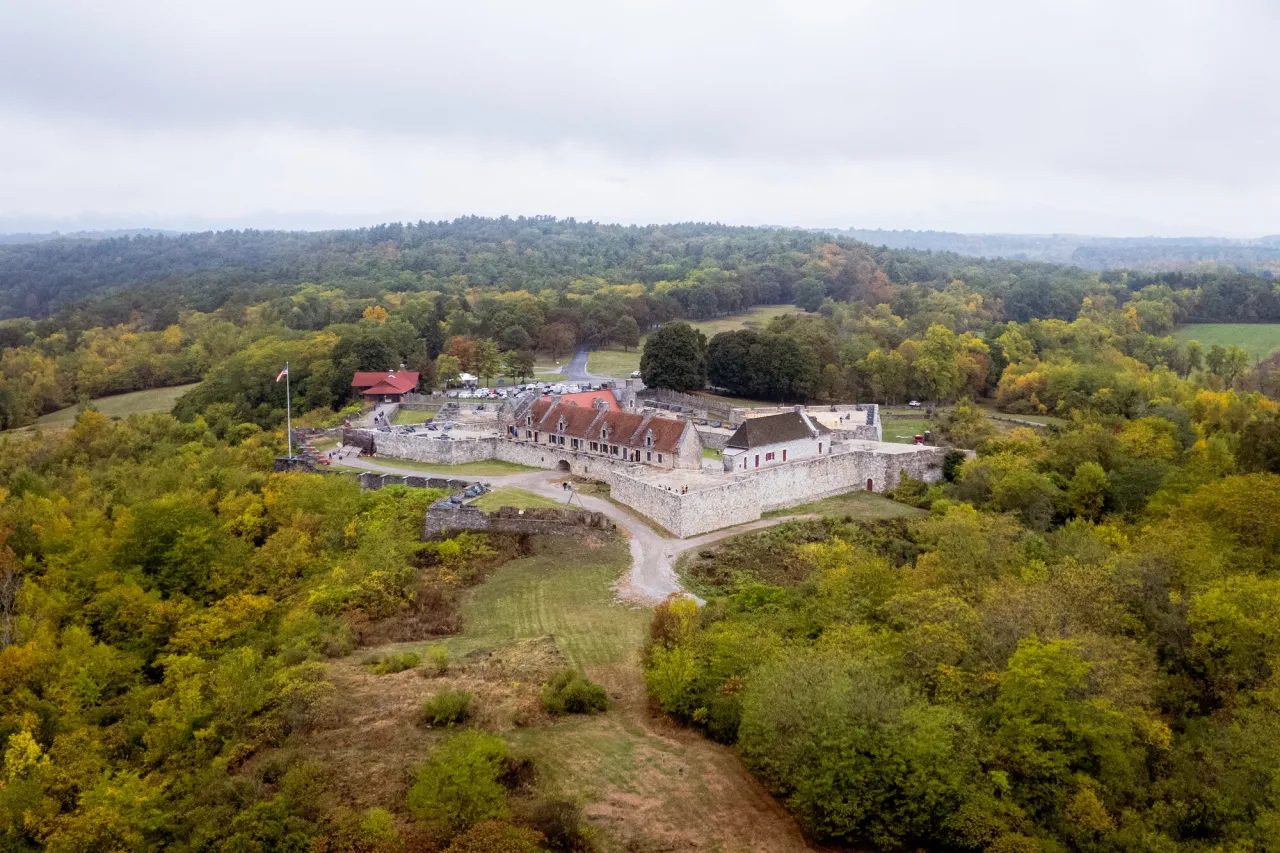
The battles may be over, but some of the strongest evidence of Lake Champlain’s military past still stands along its shores. French and British forces built forts here to control the waterway, protect their territory, and gain an advantage over their rivals. Today, visitors can walk through the remains of those fortifications and see where the struggle for Lake Champlain played out.
Built by the French
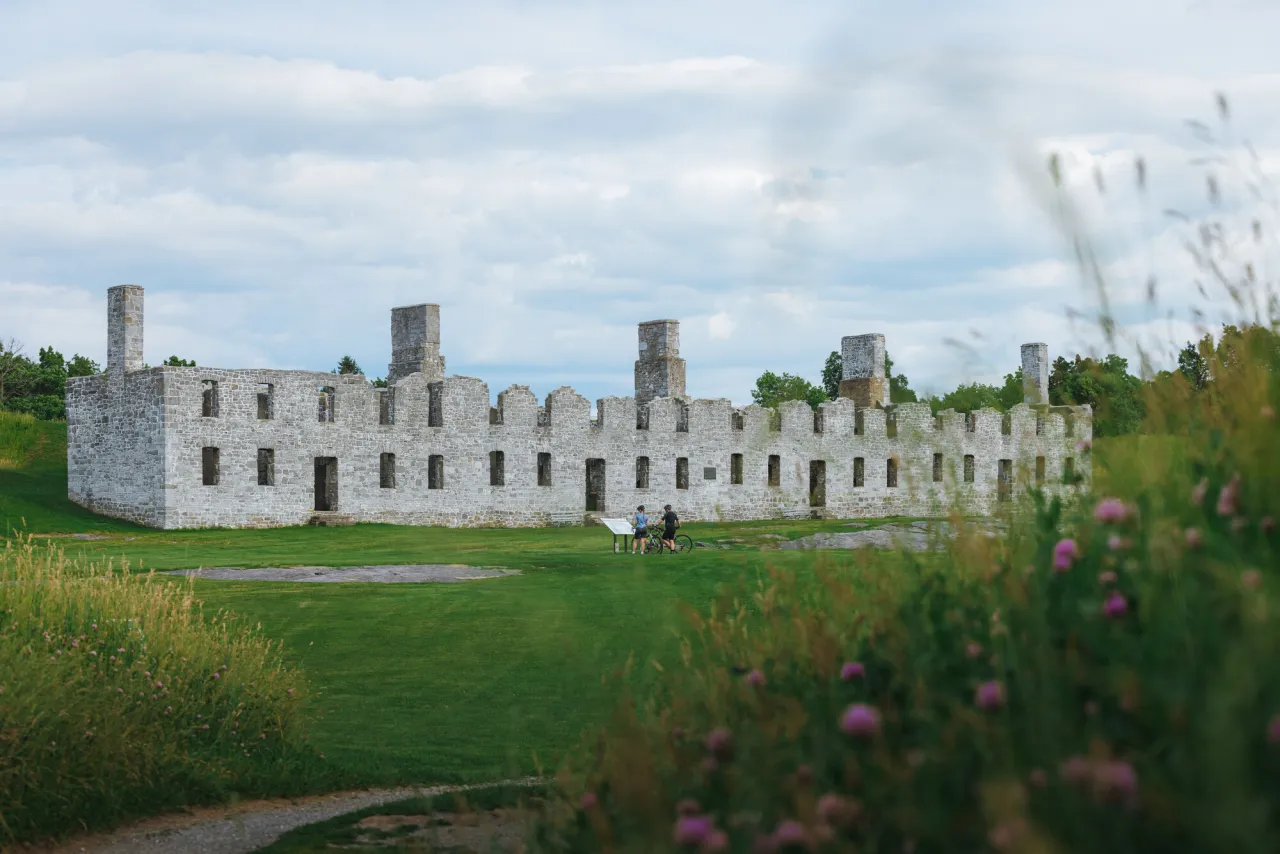
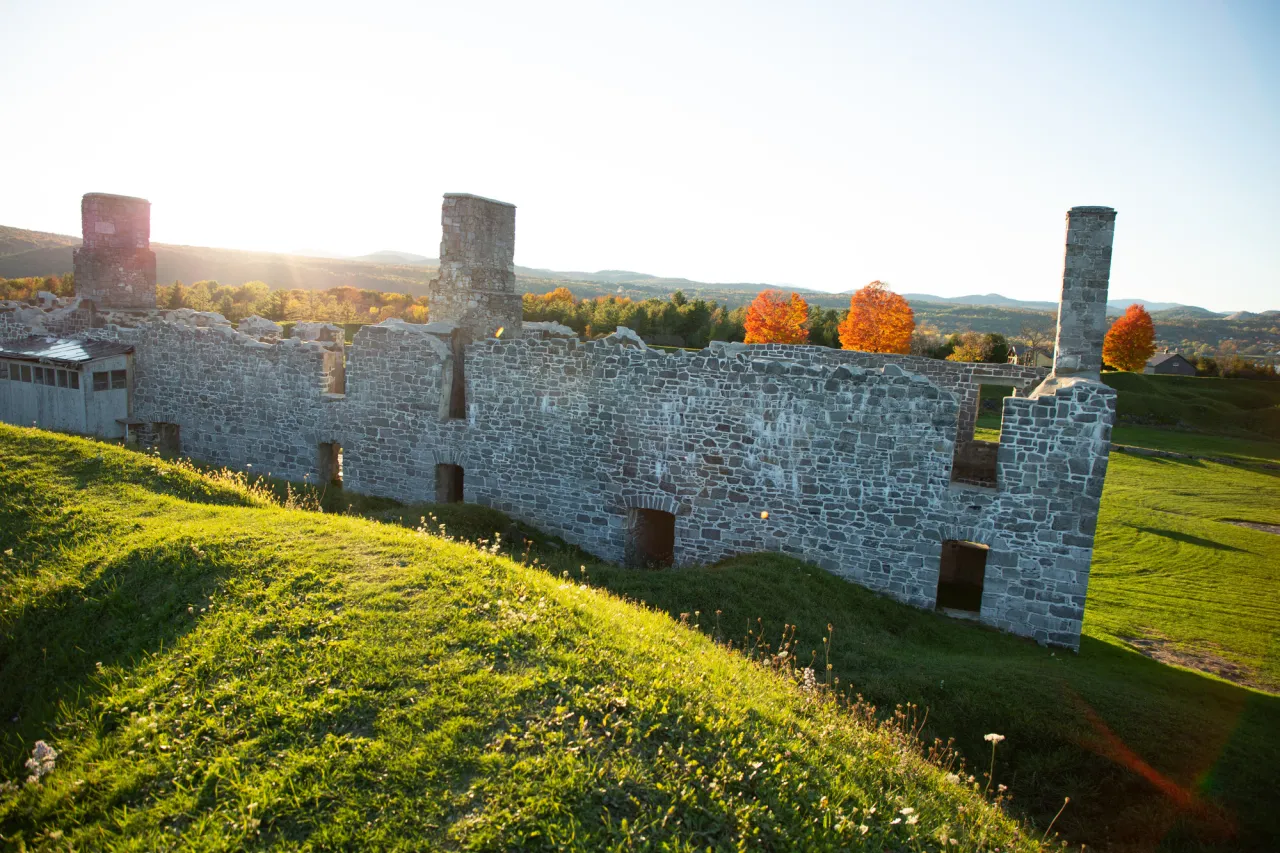
Fort St. Frederic was built in 1734 at Crown Point, giving the French a strategic position on Lake Champlain. The French destroyed the fort themselves in 1759 as British forces advanced, but its ruins remain today as part of Crown Point State Historic Site, where visitors can explore the remains of the French fort alongside the later British fortifications.
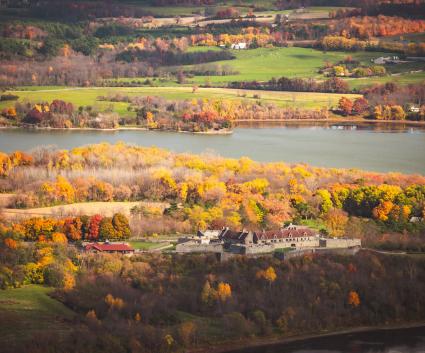
Fort Ticonderoga, originally called Fort Carillon, was begun by the French in 1755. Construction of the main star-shaped fort continued through 1757, with additional defensive works added through 1759, when the British captured it. Today, the remarkably well-preserved fort offers a firsthand look at the military architecture and history of the era.
Built by the British
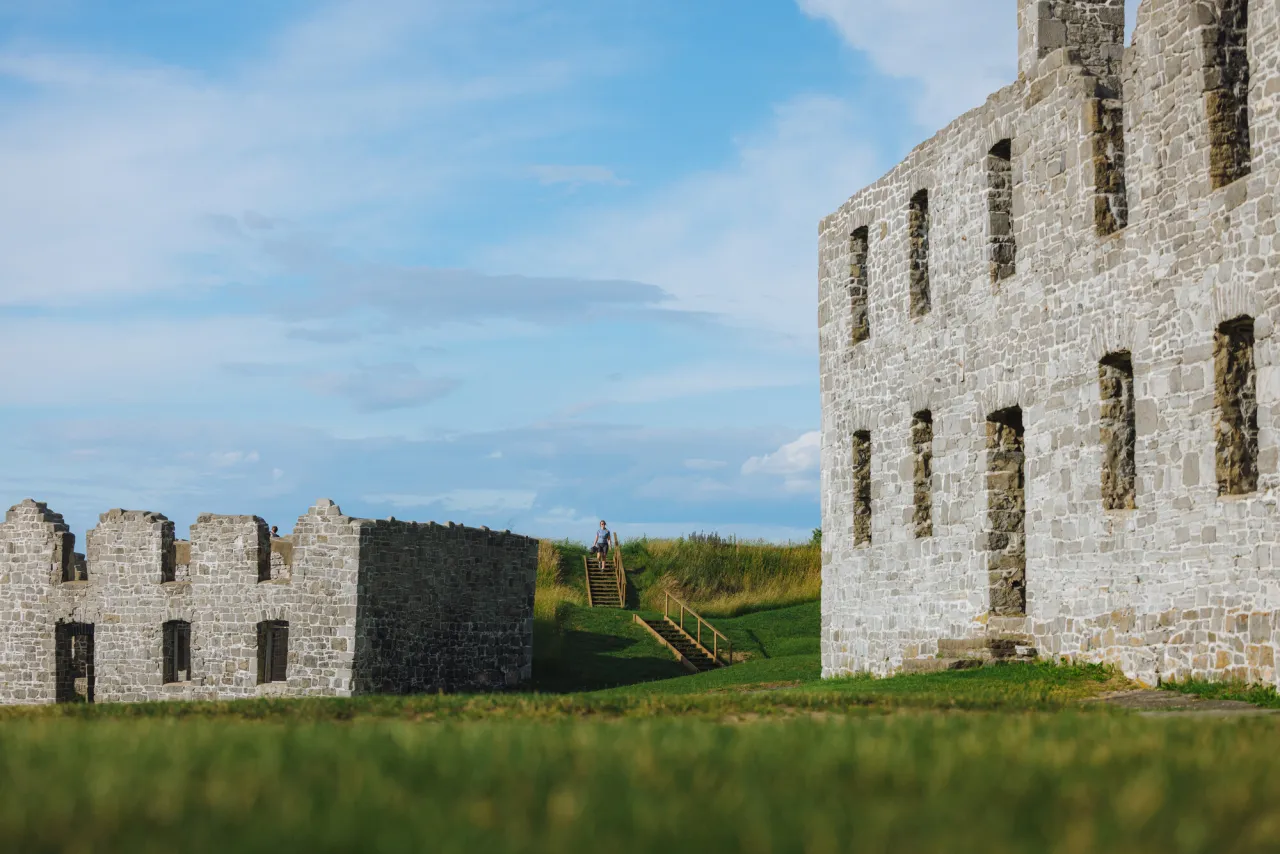
His Majesty's Fort at Crown Point was built in 1759 near the site of Fort St. Frederic after the British took control of the area. Today, its remains are part of Crown Point State Historic Site, where visitors can explore the ruins alongside those of Fort St. Frederic. Together, the two forts stand as a reminder of the competing empires that once fought for control of Lake Champlain. Both are National Historic Landmarks, giving visitors the unusual opportunity to see major fortifications built by opposing powers in the same location.

Step into the past
The history of Lake Champlain isn't confined to museum displays or history books. At Fort Ticonderoga, you can walk through the same stone walls that once guarded this important waterway. Nearby, the ruins of Fort Crown Point and Fort St. Frederic offer another glimpse into the competing empires that once fought for control of the region.
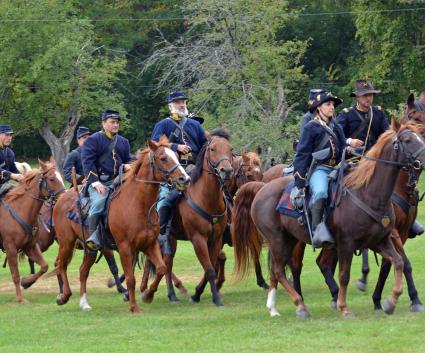
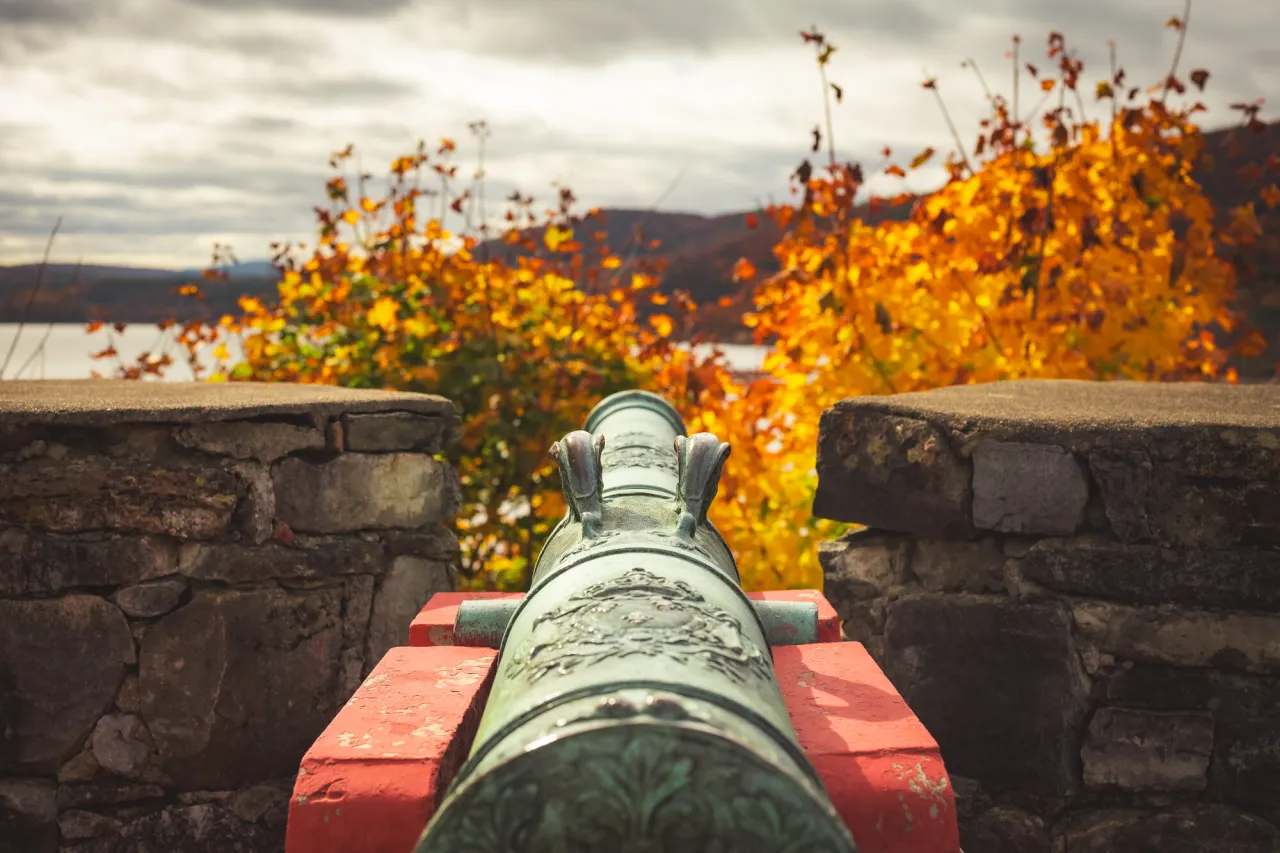
Seasonal tours, living-history programs, special events, and reenactments give visitors a chance to experience the past from a different perspective. Talk with interpreters, explore historic grounds, and see the landscape where these conflicts unfolded. Here, history isn't something you simply read about. It's something you can walk through.
Plan your trip
Once you've explored the region's history, there's plenty more to discover. Find a place to stay, then spend your days exploring outdoor recreation, historic communities, scenic landscapes, and the many ways to experience the Lake Champlain Region.